By Erick Mukiza, Accredited Mediator
1. Introduction and Legal Framework
Private mediation is an important component of the dispute resolution framework in Tanzania. It provides parties with an opportunity to resolve disputes outside formal court proceedings through the assistance of an impartial and accredited mediator.
In the United Republic of Tanzania, private mediators are accredited by the Ministry of Constitutional and Legal Affairs (MoCLA) under Regulation 15(1) of the Reconciliation, Negotiation, Mediation and Arbitration (Practitioner's Accreditation and Regulation) Regulations, 2021.
Their practice is also guided by Section 13 of the Civil Procedure Code, Cap. 33 R.E. 2023, which requires genuine efforts by parties to resolve disputes before instituting court proceedings. Private mediation is further governed by the rules of the respective accredited mediation institutions.
2. Commencement and Conduct of Private Mediation
Private mediation proceedings commence when a party to a dispute, referred to as the complainant, registers the dispute with an accredited mediator or mediation institution. The complainant provides details of the dispute and pays the prescribed mediation fees where required under the institution's rules. The applicable rules also determine the parties' respective payment obligations.
Following registration, the mediator invites the other party, known as the respondent, to participate in mediation.
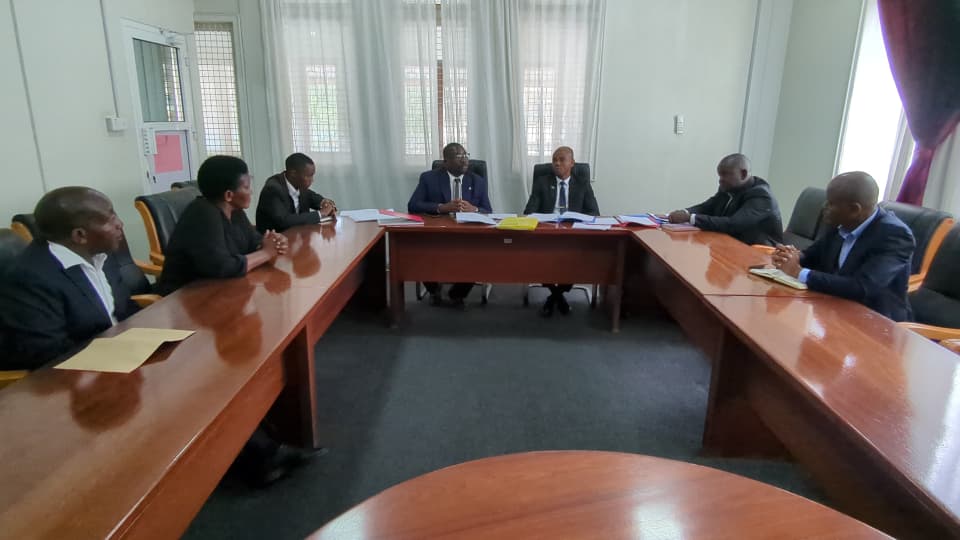
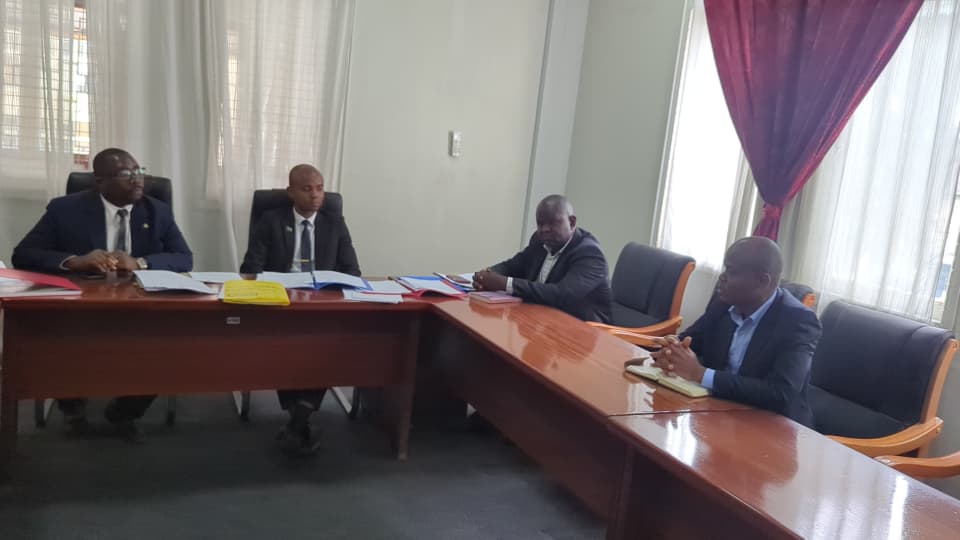
Where the respondent attends, the mediator facilitates the process through different approaches depending on the nature of the dispute. These may include joint sessions, separate sessions, further joint sessions and site visits where necessary. For example, site visits may be particularly useful in land, boundary and property disputes where physical inspection can help clarify the issues.
The mediator's role is to facilitate communication, identify the interests of the parties and assist them in exploring mutually acceptable solutions. The mediator does not impose a decision on the parties.
3. Attendance and Mediation Outcomes
The participation of both parties is important to the mediation process. However, either party may fail to attend scheduled sessions.
Failure by the respondent to appear: Where the respondent fails to appear in accordance with the applicable institutional rules, the mediator may issue a Certificate of Non-Settlement where permitted by those rules and the applicable legal framework. The certificate records the outcome of the mediation attempt and may support the complainant's subsequent decision to institute court proceedings, subject to Section 13 of the Civil Procedure Code.
Failure by the complainant to appear: Where the complainant fails to attend, the mediator may remove the matter from the register or close the file in accordance with the institution's rules. If the complainant wishes to pursue mediation again, fresh registration and payment of applicable fees may be required.
Private mediation may result in either settlement or non-settlement.
Successful mediation: Where parties reach an agreement, the mediator prepares a Deed of Settlement documenting their agreed obligations. The parties sign the deed as confirmation of their agreement. However, a privately executed Deed of Settlement does not automatically constitute an enforceable court judgment or decree. Where a party fails to honour the agreement, the other party may present the deed as part of the plaint and supporting evidence in court, subject to applicable legal requirements.
Unsuccessful mediation: Where the parties cannot reach an agreement, the mediator may issue a Certificate of Non-Settlement in accordance with the applicable institutional rules and legal framework. The complainant may thereafter pursue court proceedings, subject to the relevant legal requirements.
It is worth noting that non-settlement does not necessarily mean mediation has been entirely unsuccessful. The process may help clarify disputed issues, narrow differences and create opportunities for future negotiations.
4. Accountability and Reporting
Private mediators are accountable to the Ministry of Constitutional and Legal Affairs through the Director of the Alternative Dispute Resolution (ADR) Department, who also serves as the Registrar of ADR Practitioners.
In conducting their work, mediators are guided by the mediation rules of their respective accredited institutions. These rules provide procedures for registration, invitations, attendance, fees, mediation sessions, settlement documentation and closure of files.
Private mediators also have reporting responsibilities through two distinct channels. First, they report their mediation activities to the ADR Department of MoCLA in fulfilment of their regulatory reporting obligations. Second, they report their activities to the Judiciary of Tanzania through the High Court Mediation Centre in accordance with the applicable institutional reporting arrangements.
These reporting channels support regulatory oversight, institutional coordination and the monitoring of private mediation activities within the wider justice system.
5. Conclusion
Private mediation provides an important opportunity for parties to resolve disputes through a flexible and participatory process outside formal court proceedings. Its effective operation depends on accredited and accountable mediators, compliance with institutional rules, genuine participation by parties, and cooperation between the Ministry of Constitutional and Legal Affairs, the Judiciary and relevant Government officials, including State Attorneys, the Registrar of Titles, the Commissioner for Lands etc.
The participation of these officials, particularly where disputes involve Government interests or land administration matters, is important in facilitating meaningful mediation and achieving settlements that can be implemented. Continued coordination among all relevant stakeholders will contribute to making private mediation more accessible, credible and effective in Tanzania.
- Erick Mukiza
- Accredited Mediator
- ESS Creative and Legal Foundation
- Mobile: 0716345157
- Email: esscreativeandlegalfoundation@gmail.com